Ecotourism in Cape Verde: 7 gestures that matter
Desalinated water, fragile dunes and fishing communities: how to travel Cape Verde without leaving a negative footprint — with practical examples.
Cape Verde welcomes more visitors every year — and the archipelago feels the strain: scarce water, poorly managed waste outside tourist hubs, pressure on dunes and turtle habitats. Ecotourism here is not marketing: it is the survival of the communities and ecosystems that make the beaches unique.
1. Save water as if it were gold — because it is. Most drinking water comes from desalination, an expensive, energy-intensive process. Short showers, reusing hotel towels and turning taps off while soaping are not details: they are direct respect for communities on SalBoa Vista
2. Respect dunes and trails. Driving jeeps or quads on dune tops — near Santa MónicaPonta Preta

MAURO FOSSATI / Pexels
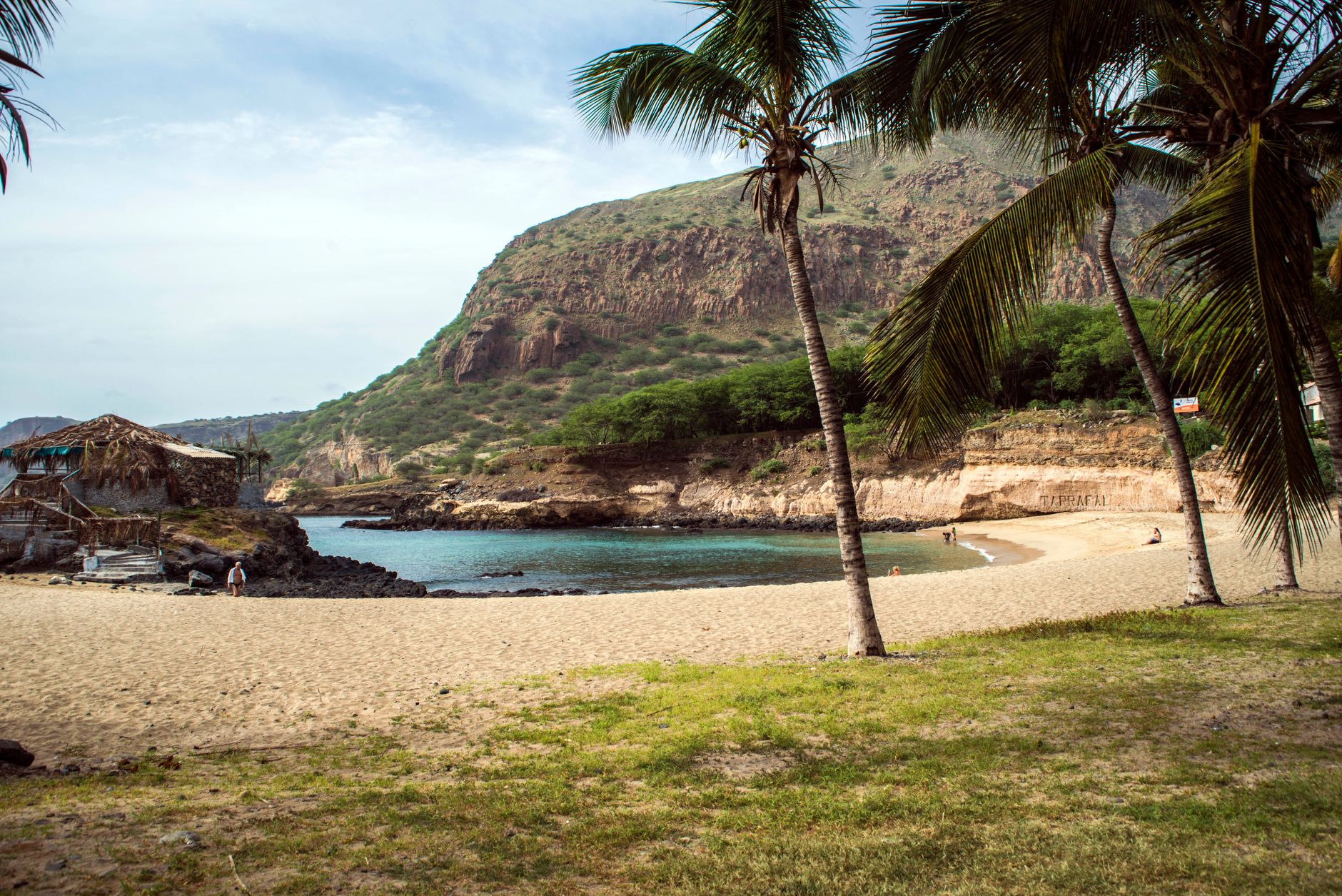
3. Do not collect shells, coral, volcanic stones or living «souvenirs». Beaches like Tarrafal de Monte TrigoBitxe Rotxa
4. Buy local consciously. Fish at the Santa Maria
5. Choose transparent accommodation and operators. Ask how they handle waste, whether they employ local guides and if they support conservation projects. Our [[hotels|hotels]] section shows real distance to the beach; cross with certified operators for turtle watching in the turtle guide
6. Take litter with you on wild beaches. Outside urban centres there are no bins — and there should be no excuses. Separate plastic when possible; many NGOs on Sal collect for recycling. 7. Practice reciprocal Morabeza: listen, learn a few Creole words, ask before photographing. Respecting the land is the best way to return Cape Verdean welcome.